Navigating the long game in private markets: IPEM 2025
Market watch
Navigating the long game in private markets: IPEM 2025
-
30 September 2025
-
Infrastructure
-
Paris, France
Reading time: 5 minutes
Infrastructure as a resilient asset class
Infrastructure as a resilient asset class
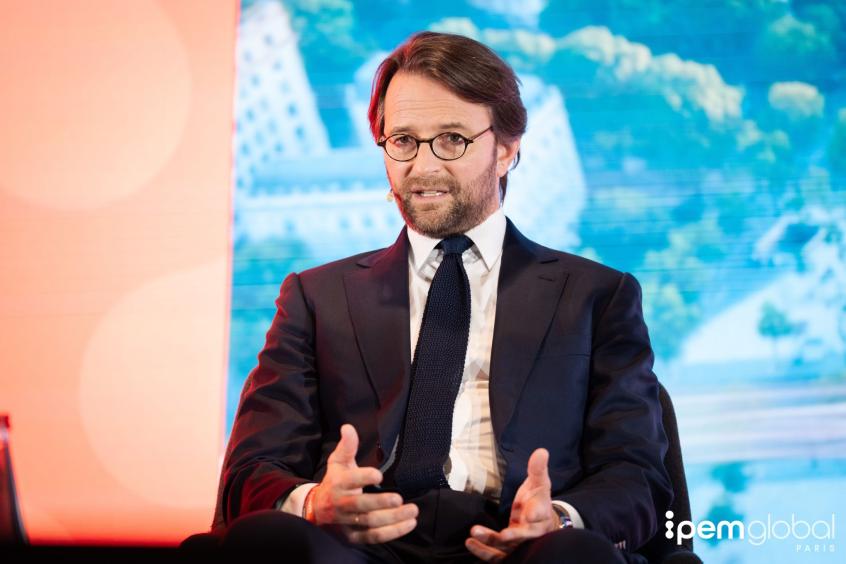
Participating in a keynote discussion alongside Petya Niklova, Deputy Chief Investment Officer and Head of Infrastructure Investments at New York City Retirement System, Ardian’s Executive Vice-President and CEO of Ardian France, Mathias Burghardt, spoke primarily in his capacity as Head of Infrastructure to outline the crucial role infrastructure plays in building resilient portfolios amid relentless macroeconomic shocks.
Among other key takeaways, Burghardt emphasized European infrastructure as a standout asset class and safe haven for long-term investors in a world that is anything but predictable. With over $125 billion already raised for infrastructure worldwide in 2025 – already nearing the total for 2024 and surpassing 2023 – this sustained appetite underscores the sector’s resilience, especially in Europe where interest from both US and Asian investors continues to grow.
He also highlighted diversification as a key strategic element in insulating portfolios from inflation, interest rate shifts and geopolitical risks. He defends the balance in portfolio construction between assets that have higher returns and others which are yield-generating.
Diversification is essential to build resilient portfolios: a balance between non-cyclical and cyclical assets.
Besides digitalization and mobility, Ardian’s long-term vision for infrastructure is also focused in the decarbonization of the economy. The firm's recent investments in carbon capture, and circular economy solutions demonstrate how integrating environmental innovation can enhance the long-term resilience and value of infrastructure assets.
At the core of this strategy is Ardian’s industrial approach to value creation, which focuses on operational improvements.
Finally, Burghardt reinforced the increasingly essential role of AI and data science to foster value creation and productivity, by deploying digital tools to support portfolio construction, improve efficiency and accelerate decision-making as part of business performance.
Consolidation and the future of private markets
Consolidation and the future of private markets
Executive Committee Member and Co-Head & CIO of Buyout, Thibault Basquin spoke on a panel that asked: "Are private markets facing a middle-age crisis?" Reflecting on the current state of the sector, Basquin stressed that the PE industry is not having a midlife crisis, but it is naturally evolving due to its maturity and sophistication. Key themes are emerging through platform building and industry consolidation. The arrival of thematic funds, private wealth and retail investors is changing the landscape, as is the importance of the secondaries market.
To continue to attract and retain investors amid growing industry scrutiny, managers need to innovate. In a higher interest rate environment, the cost of capital and debt will remain high. At the same time, competition will remain strong, especially on high-quality assets. Given this competitive environment, there is an increased necessity for dealmakers to prioritize operational value creation by leveraging digital, AI, product innovation, IT transformation and other value drivers. The industry will continue to deliver long-term, superior performance, Basquin concluded, but in new and different ways than before.
In the current context, private equity professionals need to prioritize operational value creation, including digital, AI, product innovation and IT transformation.
Japan, a dynamic market for private equity
Japan, a dynamic market for private equity
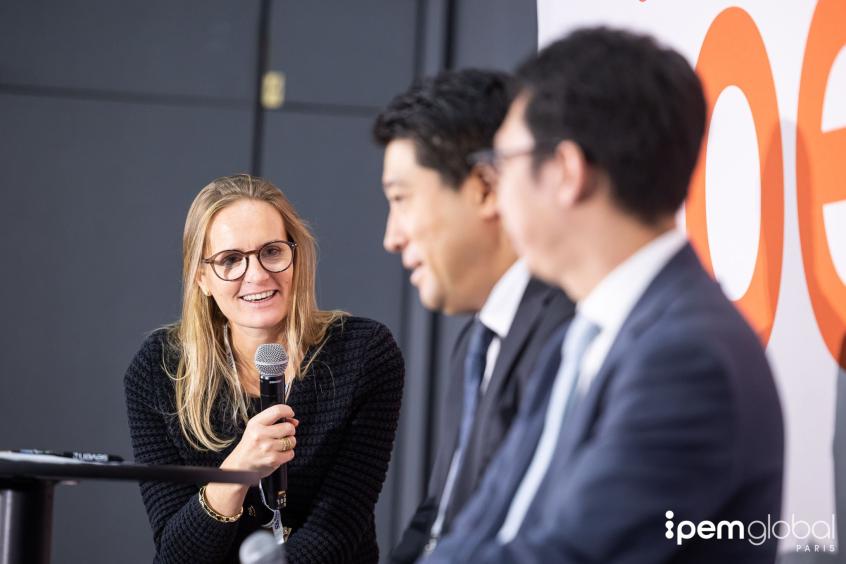
Marie-Victoire Rozé, Ardian's Deputy Co-Head of Secondaries & Primaries and Senior Managing Director, acted as moderator at IPEM. Her panel, entitled "Is Japan making a comeback?", debated the growing strength and maturity of the Japanese private equity market, which is attracting attention from international LPs.
In Japan, demographic shifts have historically created numerous investment opportunities in business succession, coupled with a significant number of carve-out deals originating from large corporations. In addition, following recent reforms made by the Tokyo Stock Exchange, there has been increasing pressure on certain firms to delist. This creates opportunities for private equity managers in Japan and has led to a very interesting deal flow — notably, a surge in public-to-private deals in Japan.
Ardian does not make direct, controlling investments in Japan but, through its primary and co-investments activities, the firm has been active in investing in Japanese buyout funds and co-investing in Japanese high-quality companies. For example, Ardian has co-invested alongside KKR in the high-profile privatization of the IT services firm Fuji Soft. It has also been a major provider of liquidity as a secondary buyer to some large institutional Japanese LPs. The panel concluded that the overall mood was one of optimism and opportunity for the PE market in Japan.
Data and innovation: the key risks and opportunities
Data and innovation: the key risks and opportunities
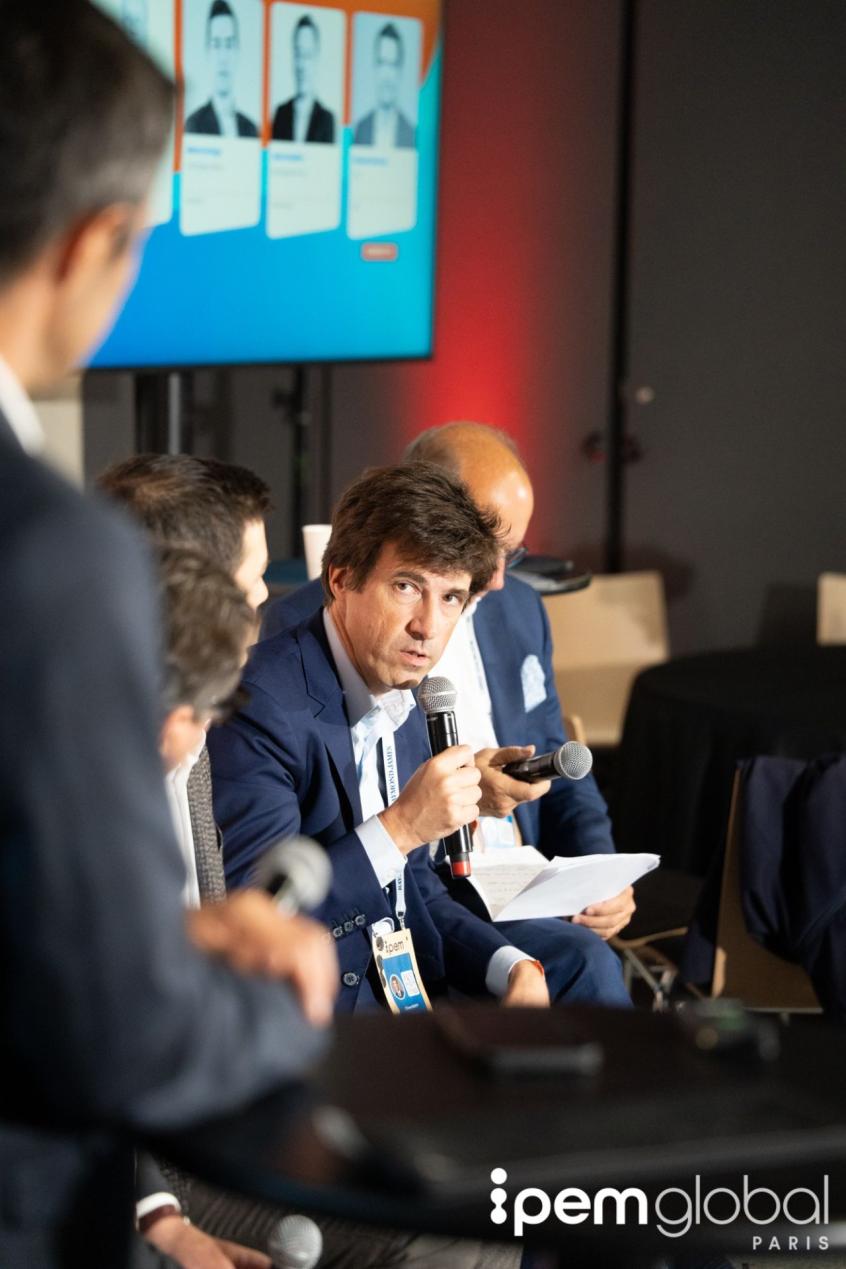
Ardian's Head of Digital Transformation & Managing Director, Clément Marty, moderated two insightful panels: “Are you innovation-ready? How data foundations define digital transformation and innovation success” and “Is technology transformation a risk worth taking?” These talks brought together experts to explore how private equity firms can leverage data and AI to enhance operational performance, identify new opportunities, and establish competitive advantages.
Marty’s perspective underscored the importance of embedding digital and technological innovation at every stage – from deal sourcing to portfolio management – reflecting Ardian’s commitment to staying ahead of the curve in a rapidly evolving technology and market landscape.
For several years now, Ardian has been addressing AI on multiple fronts. It invests directly in specialists across the AI value chain to help businesses apply AI to their operations. It also uses AI internally to gather and process data more efficiently, amplifying the impact of its established Data Science team. And of course, Ardian supports portfolio companies to ensure they emerge as leaders in their industries’ race to harness this transformative technology.

-

Mathias Burghardt Executive Vice-President, CEO of Ardian France and Head of Infrastructure
-

Thibault Basquin Member of the Executive Committee, Co-Head & CIO of Buyout
-

Marie-Victoire Rozé Ardian's Deputy Co-Head Secondaries & Primaries and Senior Managing Director
-

Clément Marty Head of Digital Transformation & Managing Director